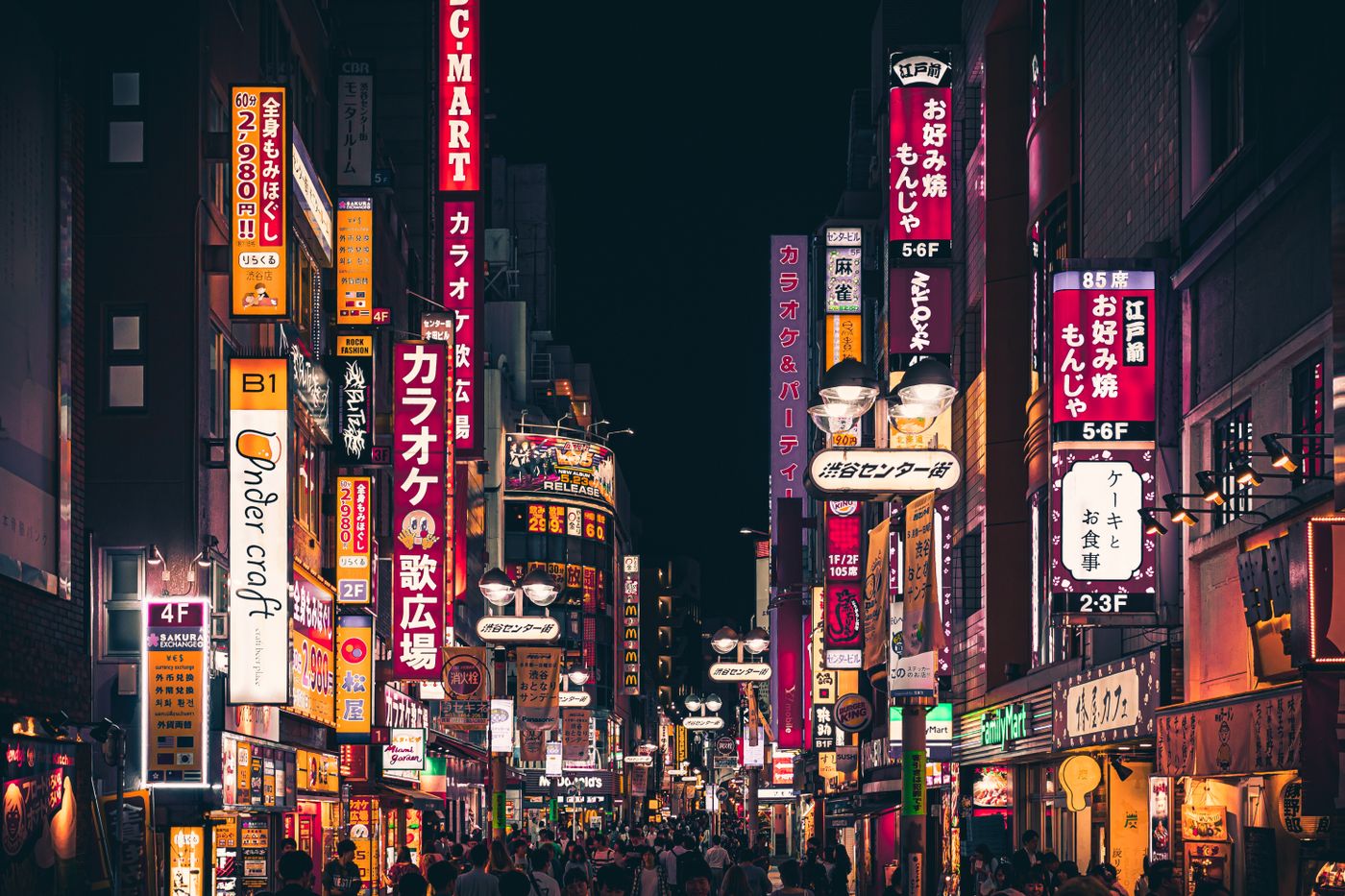

Tokyo is the city that defeats superlatives. There are more Michelin-starred restaurants here than anywhere else on earth. The trains run to the second. The food at convenience stores is better than most sit-down meals in other capitals. You already know all of this. Here is what the guidebooks do not tell you.
Where to Stay
The obvious choices — Aman Tokyo, The Peninsula, Park Hyatt — are obvious for good reason. But for a stay that is specifically Japanese rather than globally luxury, consider a kappo ryokan in Yanaka, the neighbourhood that survived the 1923 earthquake and the 1945 firebombing and consequently still looks like Tokyo before it became the city it is today. One such ryokan — twelve rooms, a private onsen, and a kaiseki dinner served in your room by the owner — costs less than half the rack rate at an international hotel and produces memories that last considerably longer.
At the ryokan, dinner was served at seven. The owner knelt on the tatami mat and explained each of the fourteen courses — where each ingredient came from, how the dish was conceived — with a quiet encyclopaedic knowledge that would embarrass most sommeliers.
The Districts That Reward Effort
- Yanaka — pre-war temples, independent shops, a cemetery that doubles as a cherry blossom park in April
- Kagurazaka — the former geisha district, French patisseries beside centuries-old stone paths
- Shimokitazawa — Tokyo's bohemian quarter: vinyl record shops, independent theatre, the best curry in the city
- Nezu — a single Torii-lined path leads to Nezu Shrine, often deserted by 7am, tourist-dense by 10
- Nakameguro — the canal lined with boutiques and coffee shops, beautiful in any season
Eating Without a Reservation
The finest omakase in Tokyo requires booking three months ahead. For everything else, the city rewards the willingness to eat alone at a counter. A ramen shop in Shinjuku that has served the same recipe since 1967. A soba restaurant in Yushima where the master mills his own buckwheat and closes when the day's batch is finished. A yakitori counter in Golden Gai that seats eight, opens at five, and is perfect by five-thirty. These places have no English menus. They rarely need them.
Practical note
Japan requires cash in places that have existed long enough not to care about card payments, which is many of the best ones. Withdraw from 7-Eleven ATMs (reliable, English interface). IC cards (Suica/Pasmo) load cash and work on every train, subway, and bus. Buy one at any station on arrival.